
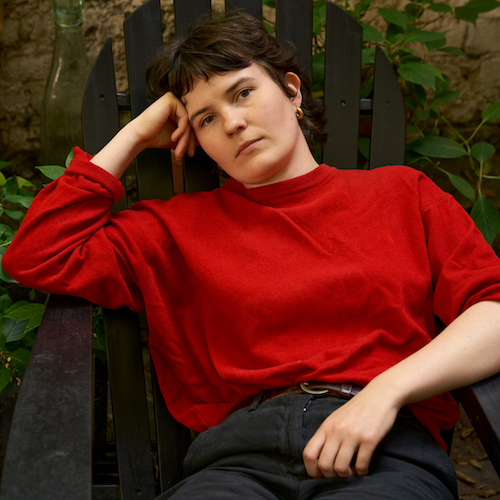
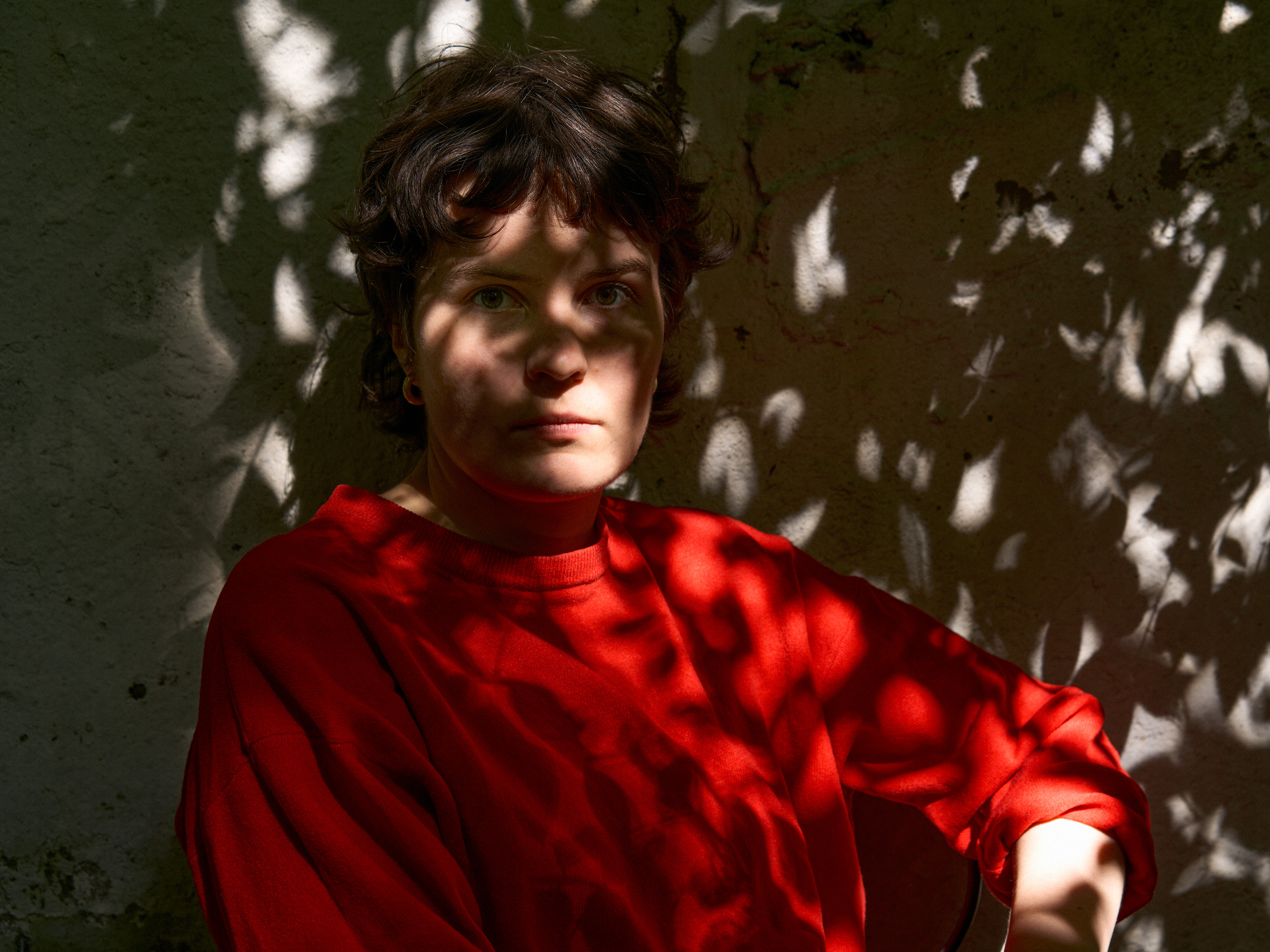
Our latest guest playlist comes courtesy of cellist, improviser, and composer Emily Wittbrodt.
‘Wearing Words,’ her new album out today via Futura Resistenza, is a cycle of ten instrumentals and songs with an array of unusual instrumentation: harpsichord, cello, drums, clarinet, accordion, and tenor. Wittbrodt’s lyrics are set to vulnerable melodic shapes, sung by the renowned opera singer Sandro Hähnel.
Wittbrodt’s work explores the intersection of classical tradition, experimental pop, and avant-garde jazz. Her 2023 album, Make You Stay, featured eight tracks based on baroque forms, translated into the sound of a contemporary band (electronics, electric guitar, drums, cello, electric organ, and chest organ). It’s an album worth taking the time to sit down with and absorb.
If you feel so inclined and want to delve deeper into her work, do check out the experimental chamber music and improv-pop of hilde and the electro-acoustic dabblings of Ludwig Wittbrodt.
For her guest playlist, Emily has curated a selection that seamlessly blends classical beauty with chamber-pop dreamscapes. Spanning centuries – from Purcell and Monteverdi to Shostakovich. You’ll also find legendary interpreters such as Anne Sofie von Otter and Galina Vishnevskaya alongside modern experimentalists such as Anohni and Eartheater. Press play and let your mind wander.
I started writing in January 2024 on a residency in Copenhagen. The first song I composed for Wearing Words was “Lied”; I wrote it for my best friend, who gave birth to her first child last year. I didn’t plan to make a whole new album, but after finalizing Lied, I felt inspired to continue writing. I sang a first draft of Lied for my friend when she was still pregnant, but I didn’t feel comfortable at all. So I decided to find a vocalist. Sandro came to my mind; he is a classically trained opera singer, and I have known him for a few years now. All other songs were written already with Sandro’s voice in mind and kind of for Sandro. I wanted his voice to be fragile and genderless, so I wrote all songs in my vocal range- which is a bit too high for Sandro. That forced him to sing quietly and soft and brought a colour I liked, almost like a countertenor. I wrote all songs with some kind of dummy text that I removed again after composing the melodies. I had this weird, empty imprint of a melody without words that was asking to be filled with new life. I sat down for two weeks without doing anything else but finding new words that fit in the melodic shapes. I didn’t touch the cello in that time and started dreaming about words during the night. During the day, I was constantly searching for words, even while cooking or meeting friends. It became like an addiction. I constantly felt like wearing clothes that don’t belong to me, a bit like borrowing a sweater from your partner or pants from your sister who is slightly taller than you.
Musically, I got influenced by Monteverdi, Schostakowitsch, Purcell, Rufus Wainwright, and Anohni. I studied classical cello as well as baroque cello and still have a deep admiration for early music. I wanted to use this knowledge in a playful way, composing exactly the music I would like to listen to. The whole process was very much led by intuition. I composed some songs on the piano, some on the cello, some within hours, others within weeks. Emily Wittbrodt
