
𝙊𝙪r ‘𝙏𝙧𝙖𝙘𝙠 𝘽𝙮 𝙏𝙧𝙖𝙘𝙠’ 𝙜𝙪𝙞𝙙𝙚 𝙨𝙝𝙚𝙙𝙨 𝙡𝙞𝙜𝙝𝙩 𝙤𝙣 𝙩𝙝𝙚 𝙨𝙩𝙤𝙧𝙞𝙚𝙨 𝙗𝙚𝙝𝙞𝙣𝙙 𝙨𝙤𝙢𝙚 𝙤𝙛 𝙤𝙪𝙧 𝙛𝙖𝙫𝙤𝙪𝙧𝙞𝙩𝙚 𝙖𝙧𝙩𝙞𝙨𝙩𝙨’ 𝙢𝙪𝙨𝙞𝙘.
We love pulling back the curtain on the stories and inspirations behind intriguing new releases. It’s always fascinating to hear the personal anecdotes, creative processes, and little-known tales that shaped each track, giving us all a deeper appreciation for the artistry that goes into crafting these musical gems.
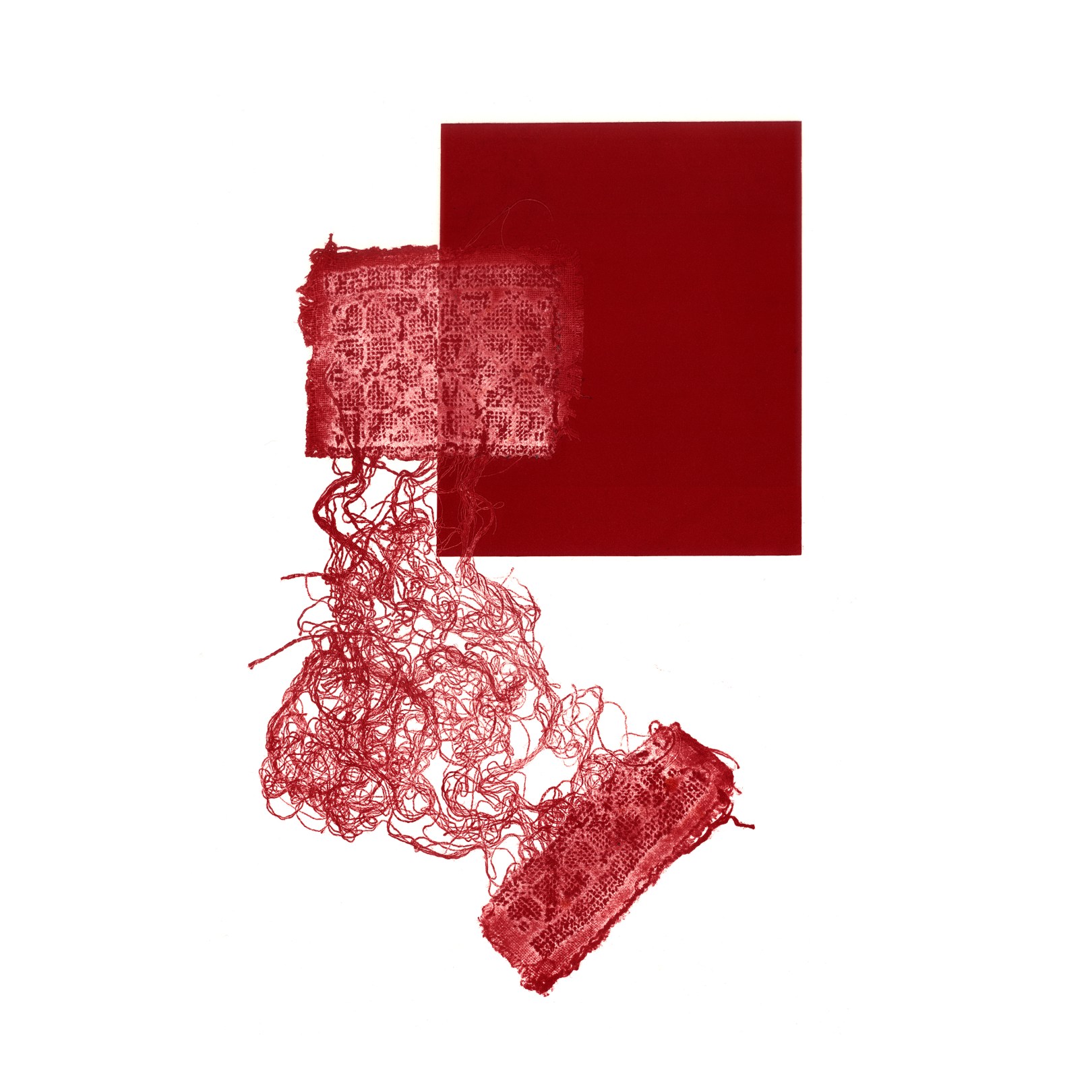
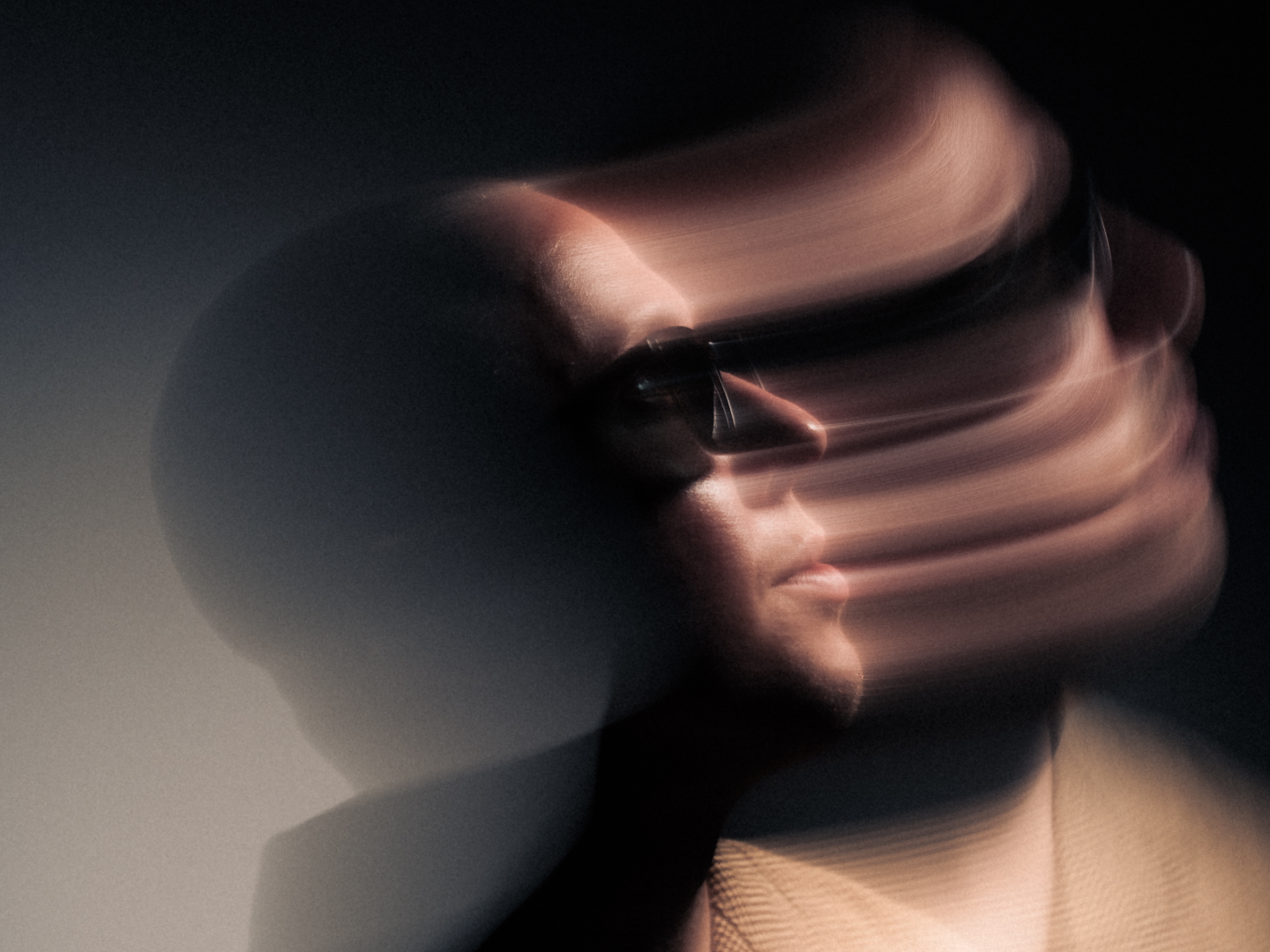
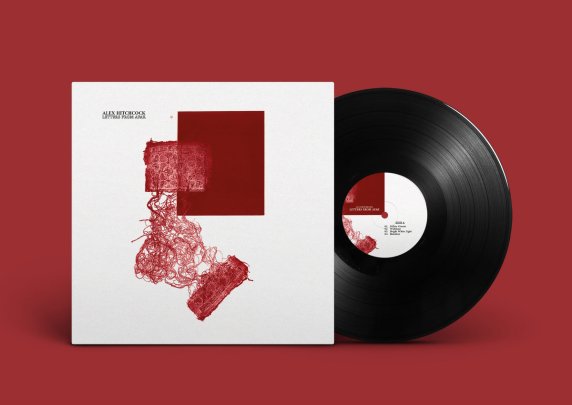
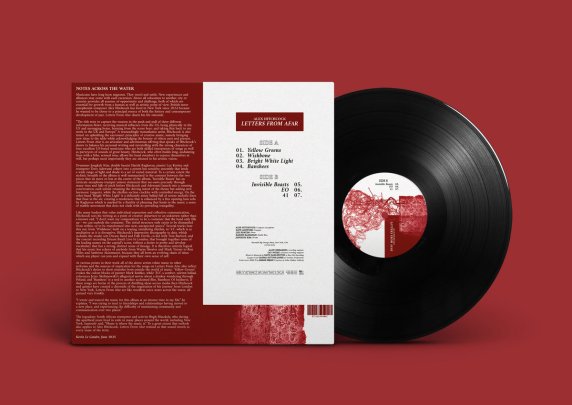
Alex Hitchcock‘s Letters From Afar captures the saxophonist’s transatlantic journey between London roots and New York immersion. Across eight tracks, Hitchcock navigates jazz’s Black American lineage with respect and urgency, while imprinting his own British sensibility. The result is a set that feels both deeply grounded and forward-looking, balancing intricate composition with the raw vitality of live performance.
Harish Raghavan on bass (Ambrose Akinmusire’s quartet), trumpeter David Adewumi (who also appeared on Hitchcock’s 2021 album Dream Band), Lex Korten on piano (frequent collaborator of Tyshawn Sorey), and Jongkuk Kim on drums (Aaron Parks’s 2024 Blue Note date Little Big III).
Two tracks showcase the album’s scope. The lead single, ‘Wishbone’, is built on layered motifs that shift dynamically, creating a taut sense of tension and release. It’s the interplay of horn and rhythm that feels restless yet precise, embodying Hitchcock’s fascination with form as a vehicle for freedom. By contrast, ‘Invisible Beasts’ swings with hard-driving energy, channelling Wayne Shorter’s angular lyricism while letting dissonant piano chords push the ensemble into uncharted terrain. Both reveal a band in full command, probing structure while letting spontaneity breathe.
With Letters From Afar, Hitchcock offers a musical correspondence across continents that is urgent, questioning, and alive to jazz’s radical possibilities.
Letters From Afar is out now, courtesy of New Soil (order your copy here). Take a listen to the album right below, and then dive into Alex’s track-by-track guide.
Yellow Greens:
Rothko invented his own visual language, wanting to create new, modern myths as a reaction to the political chaos of the 1940s. Although in 2025 we’ve started seeing the old stories for what they are and moving away from them (familiar heteropatriarchy, white supremacy) we’re in an in-between phase where more hopeful myths/narratives still haven’t fully taken hold. In Rothko’s Color Field paintings, sometimes structure is purposely given up, and boundaries disintegrate or appear where you wouldn’t expect them. This implies political meaning in his work in the form itself. That made me think about letting go of musical control, sharing it, and allowing abstraction or a kind of organic ‘anarchy’ to show up naturally. I wanted this composition to be satisfying in its harmonic density and colour – ‘Earfood’ to borrow Roy Hargrove’s term – because I get the same feeling of nourishment from the blending at the edges of one of Rothko’s colour blocks as I would from a specific chord or voicing chosen by a pianist I like, for example. They both involve blend, texture, gesture, colour, invention and reorganising. One of Rothko’s blocks of colour might be on top of an entirely different one and you can only see the edges, but after time looking at it you see how they interact and affect each other.
Wishbone:
This piece always has at least two layers operating independently of each other simultaneously, but the combinations change. For the listener, I wanted to defamiliarise musical material they had already heard in the track by repeatedly shifting it into a new context. I wanted to move towards introducing more chaos and random chance into the composition as a way of sharing creative control with the musicians – giving them as little prompting with the material as possible, refining the material itself and making it more sparse by removing anything extraneous. The title is only related in the sense of bones having to do with structure.
EO:
After the film by Jerzy Skolimowski about a donkey wandering through Poland, seeing interactions with humans through its eyes. I saw the film slightly drunk with my mum in an old cinema by the sea in Broadstairs, which added to the surreal feeling of the film. This is the first composition I wrote feeling fully emotionally connected to what I was writing, letting go of the safety of ‘logic’ and bringing emotion into the decision making and letting that dictate the way the song and harmony unfolds.
Invisible Beasts:
Title taken from a Marina Abramovic quote I misremembered when she was talking about disliking the Barbie movie: ‘It was not my culture, I come from communism, I never liked dolls to play with, when I was young I was playing with invisible beasts and shadows.’ She has an uncompromising approach to making art that reminds me of Tyshawn Sorey’s advice: ‘write out the music, believe in it, try to get it played and try to get people to come to the gig.’ What she says about making art can be applied to making improvised or free music: ‘you have to give everything until you have nothing left. I give every single gram of energy, and then things either happen or they don’t.
Bright White Light:
Imagining a bright white light is a counterintuitive sleep aid for people who have ADHD who are trying to get to sleep. I liked the idea of falling asleep as something brightening and potentially expansive rather than as going downwards, into darkness, as it’s usually framed.
Banshees:
The character of Pádraic rejecting his longtime friend in the film Banshees of Inisherin showed me the result (an extreme version) of keeping your art or creativity siloed from the rest of your life. When thinking about whether to have kids and the complicated interaction and compromise between your ‘creative’ and ‘personal’ lives, the film helped me see that there needn’t be a strictly defined boundary between the two, and one doesn’t negate the other. This was specifically written for the rhythmic unit of Harish Raghavan (bass) and JK Kim (drums). The relatively bare texture foregrounds Harish’s bass sound, which, as part of the Ambrose Akinmusire quartet, has been a defining sound in contemporary jazz for at least 15 years. This was an influence I wanted to acknowledge by putting it front and centre of the composition.
41:
Clearing out the attic of my grandparents’ house after they had died, which had been my favourite and most comfortable place throughout childhood and adolescence. I was there for the first time in years, and the sense of presence, specific smells, the way the sun felt in their garden, felt instantly familiar at the same time as being aware in the moment that it was the last time I would be there.
Rio (Live at Bimhuis):
From our March 2024 tour, where we road-tested the music for this album.
