

This week’s guide is by CF Smith and contributors: Words by Shoaib, Gavin Senaratne, and Irfan Ayaan.
It’s Friday, and ‘Between The Cracks’ lands on the site once again. Six fresh finds from across the board have wriggled their way into our ears as the week wraps up. Malcolm Strachan, Sofie Birch, MOMO. and more are in the mix this time. Dive in, enjoy, and keep showing love to the artists and labels. Check out our latest picks below.
Albums
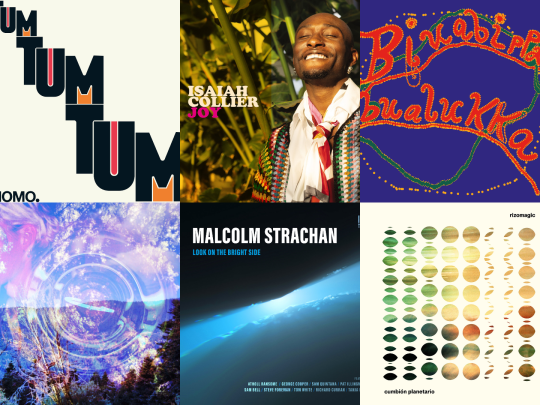
Malcolm Strachan – Look On The Bright Side
Scottish trumpeter Malcolm Strachan‘s latest album is my new go-to when I’m looking for some musical sunshine in my life. With an uplifting vibe from the off, Strachan’s vibrant, dancing, and playful trumpet phrases are beautifully complemented by long-time collaborators including Atholl Ransome, George Cooper, and Sam Bell, alongside new additions Pat Illingworth (drums) and Sam Quintana (double bass). I love Strachen’s warm, buzzing trumpet glow; it feels alive, restless, and slightly rough at the edges in the best way. ‘Leave It All Behind‘ is an uplifting, forward-looking piece that explores letting go and moving on. Meanwhile, ‘Quest For Love‘ is a warm, dancefloor-ready groove featuring vocals from Tanja Daese (Lucinda Slim), balancing soulful melody with a subtle club sensibility. The brilliant ‘The Eclipse‘ is a more left-field moment, blending Afrobeat rhythms with the influence of 1970s soul-jazz in a looser, more experimental setting. It’s the kind of record you slip on and suddenly realise you’re deep inside its effortless, infectious blend of soul‑jazz, Latin grooves, and Afrobeat touches. Give ‘Look On The Bright Side’ a spin below and bask in its uplifting vibe. – CFS
Sofie Birch – Bivabippabualukka
On Bivabippabualukka, Sofie Birch, working with her brother, takes a whimsical left turn into a sprawling and pleasantly busy sound garden. The record imagines machines and nature not as enemies but as resonating chambers for the same wind. Pieces often start with simple, almost childlike motifs. These might be small keyboard figures, gentle percussion, or tiny electronic chirps. As they repeat, layers of synth, processed voice, and acoustic detail drift in and out. Some tracks feel like cartoon ecosystems. You can sense monkeys, accordions, lab coats, and theremins all sharing space in a surreal soundscape. Others lean more ambient and focus on slow-swaying textures. The album’s length gives it room to keep surprising you; near collisions between elements become dances. Near silences become breath points. Bivabippabualukka never abandons melody, but it treats it playfully. It feels like a reminder that experimentation can be joyful and deeply human. – IA
MOMO. – Tum Tum Tum
On Tum Tum Tum, MOMO. delivers one of the warmest and most effortlessly inviting records of his career. Blending MPB, Tropicália, jazz, folk rock, and Afrobeat influences, the London-based Brazilian artist creates an album that feels both deeply personal and universally welcoming. Every track moves with an easy confidence, reflecting two decades of musical exploration distilled into a vibrant, cohesive statement. ‘Egum Eô’ is a wonderful opener that immediately establishes the album’s spirit. Driven by uplifting horns, rolling percussion, and MOMO.’s understated vocal presence, the track radiates positivity while showcasing the band’s organic chemistry. It captures the record’s balance of sophistication and accessibility with remarkable ease. Later, ‘Morena’, featuring Brazilian legend Marcos Valle, becomes another highlight. The collaboration feels completely natural, pairing elegant melodies with breezy rhythms that evoke classic Brazilian songwriting while remaining fresh and contemporary. ‘Canto de Aldeia‘, featuring Nina Miranda, is a track that, in MOMO’s words, “celebrates our friendship”. Miranda sings in English in an almost Jacqui McShee style, evoking real nostalgia against the band’s rhythm and dreamy strings. Across the album, crisp basslines, expressive brass, layered percussion, and subtle psychedelic textures flow together beautifully. Rather than chasing trends, Tum Tum Tum succeeds through craft, patience, and authenticity. It is a graceful, life-affirming record that rewards repeated listens and further strengthens MOMO.’s distinctive musical voice. – WBS
Rizomagic – Cumbión Planetario
On Cumbión Planetario, Bogotá duo Rizomagic pushes cumbia into fascinating new territory, blending traditional Colombian rhythms with cosmic electronics, dub textures, and psychedelic sound design. Created during a residency in Switzerland, the album feels like a transmission from another dimension, where analog grooves, ambient pulses, and pitched-down rhythms coexist in perfect balance. Despite its experimental ambitions, the record remains deeply rooted in movement and atmosphere. ‘Plutarco’, featuring Bogotá experimental outfit Conjunto Media Luna, is an ideal introduction to the album’s world. Slow-burning and hypnotic, the track pairs accordion melodies with deep bass pressure and subtle electronic manipulations, creating a captivating sense of tension that never fully resolves. It is both meditative and danceable, showcasing Rizomagic’s distinctive approach to tropical futurism. ‘Las Esferas’ expands on that vision. Floating synth textures drift over a laid-back cumbia framework, while intricate rhythmic details emerge gradually from the mix. On ‘Pajarocaña’, they meticulously weave local Alpine bird songs recorded at Lake Geneva into an electronic grid of modular synths and acoustic textures. If you want more birds, look no further than the brilliant ‘Bubun’, which centres on a field recording of a Swiss owl’s nocturnal call. The duo locks the electronic tempo and key to the bird’s exact pitch, shaping a quiet, haunting, and beautifully sparse groove. The result feels immersive and transportive without sacrificing groove. Elsewhere, the thick wall of delays and sub-bass that permeate ‘Kir‘ offers another layer to the album. Across the record, Rizomagic continually balances experimentation with accessibility. Whether exploring dub-heavy low end, ambient abstraction, or psychedelic cumbia rhythms, the duo maintains a strong sense of purpose. Cumbión Planetario is a rich, imaginative record that transforms familiar traditions into something futuristic, immersive, and consistently rewarding. – WBS
Agile Experiments – Havana
Dave De Rose continues to prove that Agile Experiments is less a recording project than a philosophy of creative exploration. Havana, the series’ thirteenth instalment, transforms the Cuban capital into an immersive sonic landscape, where street ambience, improvisation, and adventurous production coexist without sacrificing warmth. Rather than treating tradition as a museum piece, De Rose lets Afro-Cuban rhythms, jazz, and electronic textures evolve naturally, creating an album that feels spontaneous yet thoughtfully sculpted. Among the standout cuts, ‘Open-Eye Changui’ radiates infectious energy. Anchored by lively percussion, agile trumpet phrases, and Amanda Quiñones’ expressive tres, the track captures the celebratory pulse of Havana while subtly pushing it toward futuristic territory. The interplay remains organic, inviting repeated listens to uncover new details. ‘A Day’s Light’ offers a gentler introduction, weaving field recordings into layered grooves that immediately establish the album’s sense of place. Its relaxed momentum and textured production evoke wandering through Havana’s streets as everyday sounds dissolve into musical conversation. Rich in atmosphere and fearless experimentation, Havana succeeds because its adventurous ideas never overshadow genuine human connection. It is vibrant, curious, and deeply alive. – WBS
EP’s
Isaiah Collier – JOY
Chicago saxophonist, composer, and bandleader Isaiah Collier presents joy as something deeper than uncomplicated happiness on his new five-track EP, ‘Joy‘. Released through Brownswood Recordings, the project moves between spiritual jazz, gospel, soul, and R&B as it searches for hope grounded in faith and collective endurance. The opening title track introduces Collier’s philosophy of joy as a devotional practice and a deliberate form of resistance. The performance is bright and urgent, with Collier’s vocals accompanied by piano and tenor saxophone, with an expansive 11-piece ensemble of horns and strings. ‘Landscape of Dreams’ turns inward, with Collier performing every instrument himself and layering flutes, drums, Mellotron, Wurlitzer, and percussion. The closing ‘‘God’s By Your Side’ offers gospel-rooted reassurance through a relaxed rhythm section, presenting faith as a source of persistence when life becomes difficult. Despite its opening light-heartedness, Joy never feels weightless. Collier’s fiery spiritual-jazz instincts remain present, but they are softened by intimate singing, spacious soul arrangements, and a greater willingness to let tenderness lead. It is a generous, restorative record that refuses despair. – GS
