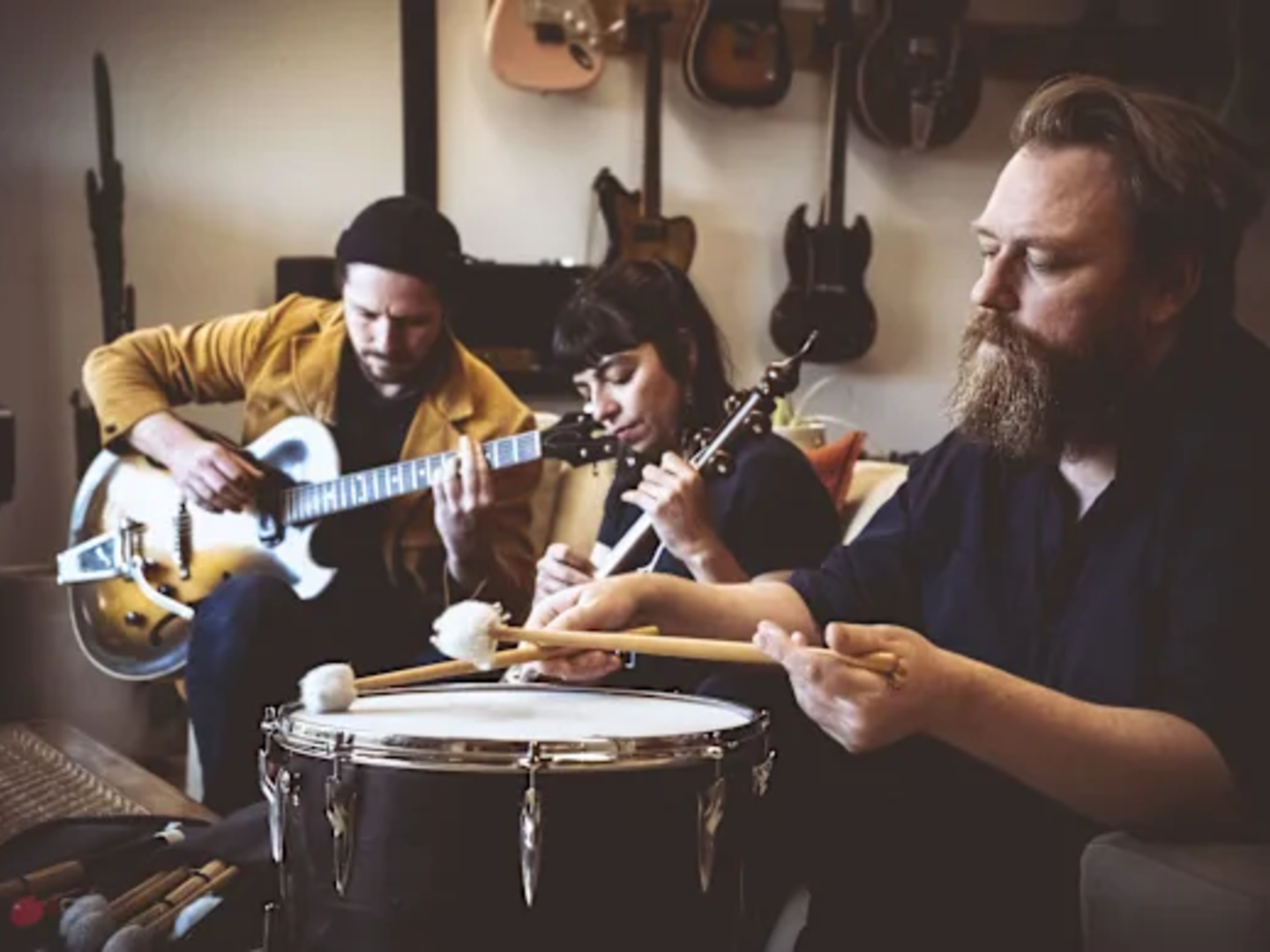

This isn’t an album that eases you in. May The Devil’s Ear Be Deaf by ZÖJ feels immediate from the first moment, like you’ve stepped into something already in motion. Recorded live with no overdubs, it carries a fragile, one-take intensity where every sound feels exposed. There’s a quiet tension throughout, the sense that beauty here is fleeting, and maybe even at risk of disappearing as it unfolds.
The album title is derived from a Persian saying used to protect something beautiful from envy or bad luck. The duo describes the music as ‘built on fragility and on the fear of its own erasure’, focusing on the raw, unpolished energy of a single moment. While the experimental and improvised elements of their previous work remain, the duo also considers this record a return to their ‘punk rock’ beginnings, featuring more frenetic, ‘fiery’ playing.
This album carries the breath of its making, no retakes, no disguises. Each sound was played only once, then left to live or die. To make something so fragile is a way of trusting life itself.’ – Gelareh Pour
‘Termites’ draws you in slowly, almost cautiously, before revealing its emotional depth. Gelareh Pour’s voice feels stretched between control and release, while the kamancheh circles around it with a restless, searching quality. The drums of Brian O’Dwyer never lock into anything predictable; instead, they respond in the moment, adding pressure without overpowering the space. It’s uneasy, but in a way that keeps you listening closely.
‘Desert motreb’ shifts the mood without fully letting go of that tension. There’s more of a pulse here, something you can hold onto, but it still feels delicate. The performance breathes, expanding, then pulling back, as if deciding how much of itself to reveal. That push and pull gives the track a quiet intensity that lingers.
The title ‘Woe to the ear’ sets you up for abrasion, as if you’re about to be sonically scolded. Instead, the piece offers the inverse: a thoughtful, finely‑textured listen that rewards attention rather than punishing it. There’s a rare, suspended beauty in the way Pour sings and plays the kamancheh on this piece, a soft, searching clarity that seems to hold the whole track in its orbit.
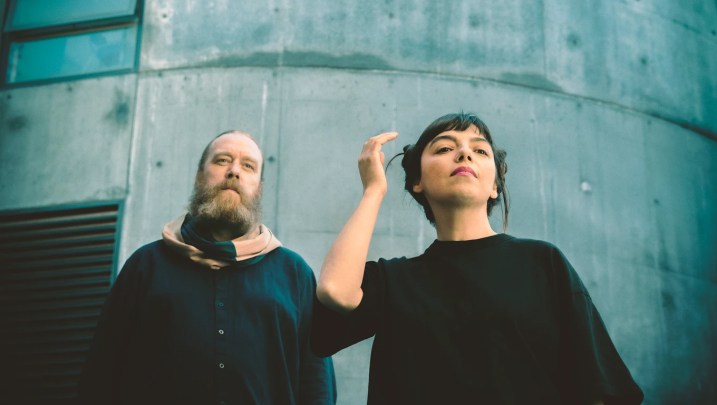
Pour, drawing on deep Persian classical lineage, and O’Dwyer, a fixture of Australia’s experimental fringes, have spent years refining their shared language. If ZÖJ have a defining sound, the closing peice, ‘She Sleeps with Genies’ is its purest expression.
Taken as a whole, the album doesn’t try to smooth out its edges or make things easy. It delves into vulnerability and trusts the moment. That’s what makes it land; it feels real, unfiltered, and impossible to recreate.