

𝙊𝙪r ‘𝙏𝙧𝙖𝙘𝙠 𝘽𝙮 𝙏𝙧𝙖𝙘𝙠’ 𝙜𝙪𝙞𝙙𝙚 𝙨𝙝𝙚𝙙𝙨 𝙡𝙞𝙜𝙝𝙩 𝙤𝙣 𝙩𝙝𝙚 𝙨𝙩𝙤𝙧𝙞𝙚𝙨 𝙗𝙚𝙝𝙞𝙣𝙙 𝙨𝙤𝙢𝙚 𝙤𝙛 𝙤𝙪𝙧 𝙛𝙖𝙫𝙤𝙪𝙧𝙞𝙩𝙚 𝙖𝙧𝙩𝙞𝙨𝙩𝙨’ 𝙢𝙪𝙨𝙞𝙘.
We love pulling back the curtain on the stories and inspirations behind intriguing new releases. It’s always fascinating to hear the personal anecdotes, creative processes, and little-known tales that shaped each track, giving us all a deeper appreciation for the artistry that goes into crafting these musical gems.
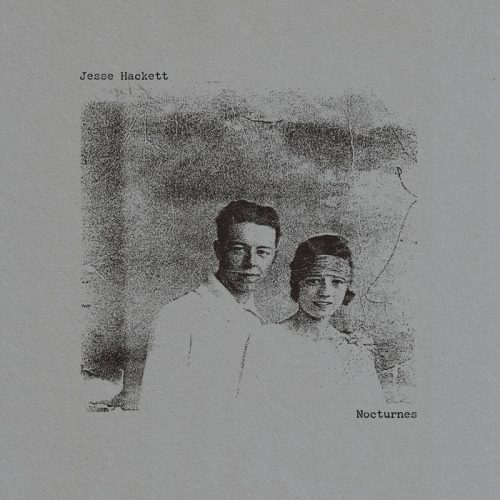
Nocturnes finds Jesse Hackett wandering through a shadowy, gothic chamber world. He trades the warped electronic, Brazilian baile funk world of Metal Preyers for spectral piano pieces and eerie, slow‑blooming arrangements that feel suspended between dream and decay. Nocturne 1: Snow Dance sets the tone with fragile, glistening figures that move like cautious footsteps across frozen ground. Nocturne 2: Lovely Cold Ruins deepens the mood; its chords hang in the air like abandoned architecture, half‑lit and slowly crumbling in memory.
Nocturne 3: Darkusosy is shorter and more pungent, a crooked lullaby where dissonance creeps in at the edges. Midway through, Nocturne 5: Piano Man’s Pain feels almost confessional, its repeated phrases circling like a private monologue that never quite resolves, as if Hackett is speaking through the keys but withholding the last sentence.
Later, Nocturne 7: Nosferatu dips into a horror‑tinged atmosphere, draping simple motifs in thick, ominous reverb that makes the piano feel both distant and dangerously close. By the time Nocturne 13: The Hissing Mist closes the album, the instrument has become a haunted narrator. Silence, resonance, and slow decay speak as loudly as any melody, leaving the listener suspended in a kind of nocturnal afterglow.
It’s a late‑night record that rewards solitary listening, patience, and attention to the smallest details, a world that reveals more each time you step back into the shadows with Hackett.
Nocturnes is out today, courtesy of the ever-excellent Hive Mind Records (buy your copy here). Take a listen to the album, and read Jesse’s track-by-track guide below.
Snow Dance
This track is composed of 3 harmonic movements + the third strangely feels almost Cuban in its syncopation. This wasn’t planned, and nothing ever is when I sit down to write music. I did travel to Cuba a long time ago, so maybe I soaked something up; it’s the same with classical music. I haven’t listened to it loads. It just comes through in this music. In the instance of this album, I’ve been using the piano, and it was the event of finally buying a weighted digital piano that inspired me to start writing more traditionally again. In the past at times, I’ve had a problem with nostalgic and sentimental harmony, and I’ve created a lot of music, much more rhythmic and devoid of much Melody or traditional elegance and beauty. Snow Dance reminded me of a kind of Noir thriller, but with a slightly dodgy British edge. Have I gone all Bergerac? Or maybe a little Poirot, who knows?
Lovely Cold Ruins
Lovely Cold Ruins, this piece feels like early-morning stirrings, a lizard warming his cold blood on the edge of some dilapidated old Portuguese castle. It also feels like that David Lynch light-and-dark transition, good-versus-sinister mood shifts.
Darkusosy
Finn Peters really encouraged me to explore this tune when I played him the first demo. Somehow I think I’ve unwittingly channelled the spirits of the piece I learnt to play by French composer Maurice Ravel, called Ma mère l’Oye (Mother Goose), originally written in 1910 as a five-movement piano duet for children. It was later orchestrated into a ballet in 1912. The work is inspired by fairy tales, featuring delicate, magical melodies and elegant harmonies. This is my favourite track on the record. It really evokes this quiet, mysterious feeling I’ve been trying to explore.
Goodbye Pork Pie Gal
This tune is a dedication to the late, great Gary Curson, an English free jazz saxophonist, painter, and dearly beloved family friend. The title is a play on the Charles Mingus composition ” Goodbye Pork Pie Hat”. Gary was part of the free improv community and played with legendary artists such as Keith Tippett and Louis Maholo. This song was composed at six in the morning, in inspiration and loving memories, on the day that Gary transitioned.
Piano Man’s Pain
Piano Man Pain, I like the sound of two melodic lines played quite closely together but alternating. I think subliminally, I might be influenced by computer game music, which I grew up on. Probably something about the way that African guitarists play syncopated interlocking lines. The riff at the end of this track utilises that kind of technique and employs my own Jesse Hackett modes and scales. Definitely back in French-thriller-suspense mode.
Rain Socked Choker
This piece is influenced by Emahoy Tsegué-Maryam Guèbrou (1923–2023), who was a renowned Ethiopian Orthodox nun, composer, and pianist known as the “barefoot nun” or “piano queen” of Ethiopia. Trained in classical music, her unique, melancholic, and improvised style blended Western classical, jazz, and traditional Ethiopian modes. She lived a life of devotion in Jerusalem, with her piano compositions gaining international recognition for their profound emotional depth.
Nosferatu
My friend said this sounded like a Hammer House of Horror music, so I actually named it Nosferatu. The piano can be the most chilling instrument, and I love to explore its Baron and haunted capabilities.
Chainca Shadows
Chainca Shadows follow a similar mood using the odd mishmash of self-invented scales, major/minor clashes and odd tonalities. Slinky, kinky keyboard rat running around the piano way after midnight.
Larks
This originally had lyrics like a kind of modern jazz ballad. The vocal version sounds a little bit like something Scott Walker might have sung. I’m hoping that ESKA, my daughter’s mother, might do a big orchestral arrangement for it with the vocals at some point soon. Finn really kills the solo on this. It’s full of emotion, I love this track! One of the best ones on the record, I think.
Satalight Song
Dedicated to my great and beautiful mum, they’re looking over me in the stars in this cosmic satellite, my greatest inspiration, the most wonderful woman who I miss so dearly and is the reason why I play piano to this day.
Pyjamas
The title “Pyjamas” came from a line in the original vocal version of this song: “avoiding the dramas, self-harmers in pyjamas.” The lyrics were inspired by summers spent at my Local Lido swimming pool.
The Hissing Mist
I did it at the last minute as a bonus track. The Hissing Mist feels more like a kind of lazy summer mood in a Spike Lee Film. There’s something slightly unsettling but warm and easy. A city park at night, the distant, lonely incinerator hums a menacing tune.
