

𝙊𝙪𝙧’ 𝙏𝙧𝙖𝙘𝙠 𝘽𝙮 𝙏𝙧𝙖𝙘𝙠’ 𝙜𝙪𝙞𝙙𝙚 𝙨𝙝𝙚𝙙𝙨 𝙡𝙞𝙜𝙝𝙩 𝙤𝙣 𝙩𝙝𝙚 𝙨𝙩𝙤𝙧𝙞𝙚𝙨 𝙗𝙚𝙝𝙞𝙣𝙙 𝙨𝙤𝙢𝙚 𝙤𝙛 𝙤𝙪𝙧 𝙛𝙖𝙫𝙤𝙪𝙧𝙞𝙩𝙚 𝙖𝙧𝙩𝙞𝙨𝙩𝙨’ 𝙢𝙪𝙨𝙞𝙘.
We love pulling back the curtain on the stories and inspirations behind intriguing new releases. It’s always fascinating to hear the personal anecdotes, creative processes, and little-known tales that shaped each track. These insights not only give us a deeper appreciation for the artistry that goes into crafting these musical gems but also create a sense of connection with the artists.
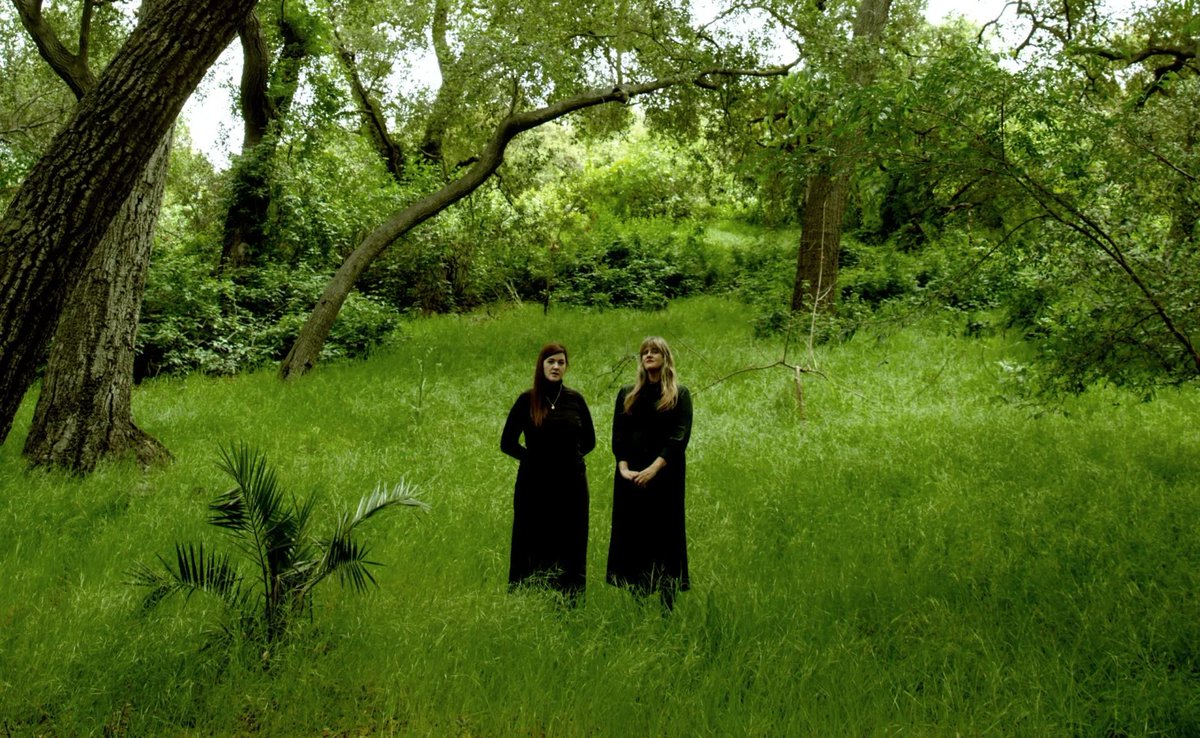
Julianna Barwick describes the connection between her and Mary Lattimore as “musical telepathy”. On listening to Tragic Magic, that phrase captures the uncanny ease between them. Lattimore and Barwick have a way of meeting in the same emotional frequency, and musical telepathy feels like the only fitting shorthand for that kind of intuitive alignment. Barwick’s weightless vocals drift through Mary Lattimore’s shimmering harp lines until the two become indistinguishable currents.
Co-produced by Trevor Spencer (Fleet Foxes, Beach House), mastered by Heba Kadry (Deena Abdelwahed, Ryuichi Sakamoto, Bjork, Sade, Gorillaz…) and recorded at the Philharmonie de Paris with the historic instruments of the Musée de la Musique of the Philharmonie. Tragic Magic came together in just nine days, a testament to the chemistry that has developed between the two artists over the years, as they have travelled the world as friends and tourmates.
“We were so lucky to have access to this experience. There was a lot of reverence, working with people with such warmth and enthusiasm, bringing these instruments into a modern context, literally taken off the shelves of the museum,” says Lattimore.
I’ve only listened to this album twice, and I’m still absorbing it, but I’m sure it will please lovers of new classical music with an ambient electronic edge.
Without further ado, stream the album and read the track-by-track guide below.
Perpetual Adoration: For the album opener, “Perpetual Adoration”, the group channels an immense volume of emotion drawn from a visit to the Basilica of Sacré Cœur de Montmartre. One rainy night, they saw a sign outside the cathedral labelled «ADORATION PERPÉTUELLE» and entered the space where a nun was singing during Sunday Mass.
The Four Sleeping Princesses: Named after an offhand remark from InFiné’s A&R, Alexandre Cazac, about “waking up the sleeping princesses” while observing the museum’s harps, it’s a piece that leaps from subtle slumber to a striking exhale of sighs and strings.
Rachel’s Song: Their cover of Vangelis’ Blade Runner theme “Rachel’s Song” expands an arrangement debuted in Philadelphia in 2023 and refined during a recent Zebulon residency, opening on rain sounds recorded in LA after the fires.
Haze With No Haze: A visit to a James Turrell exhibition reminded Lattimore of her first encounter with his work and its “haze with no haze” described by The New Yorker, which inspired the name of the third track.
The Temples of the Wind: Written after an impromptu lunch with Barwick and Lattimore in 2019, “Temple Of The Winds” was composed by Roger Eno entirely in his head, no keyboard, just pencil and staff paper, for voice and harp.
Stardust: Lattimore layered the track with harp flourishes, “millions of glittering stars” in her own words, while tuning bells from a 1900 Pleyel chromatic harp shape its shimmer.
Melted Moon: On the lead single and album closer “Melted Moon,” written in direct response to the fires, Barwick recalls packing up her life under the dark ash clouds, asking herself, “What do I need for these trips, but also, what do we need if we can’t come back to this house?”
