
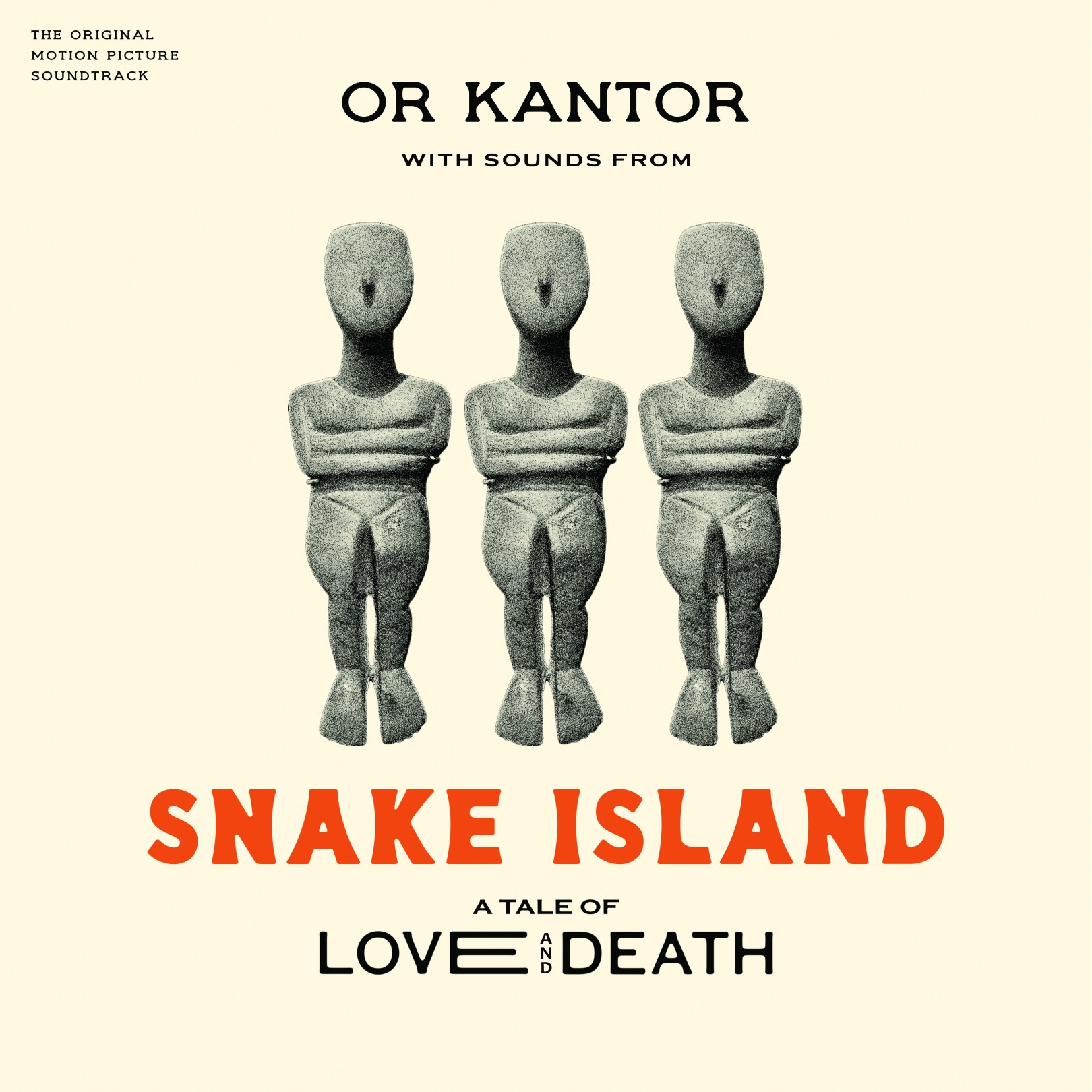
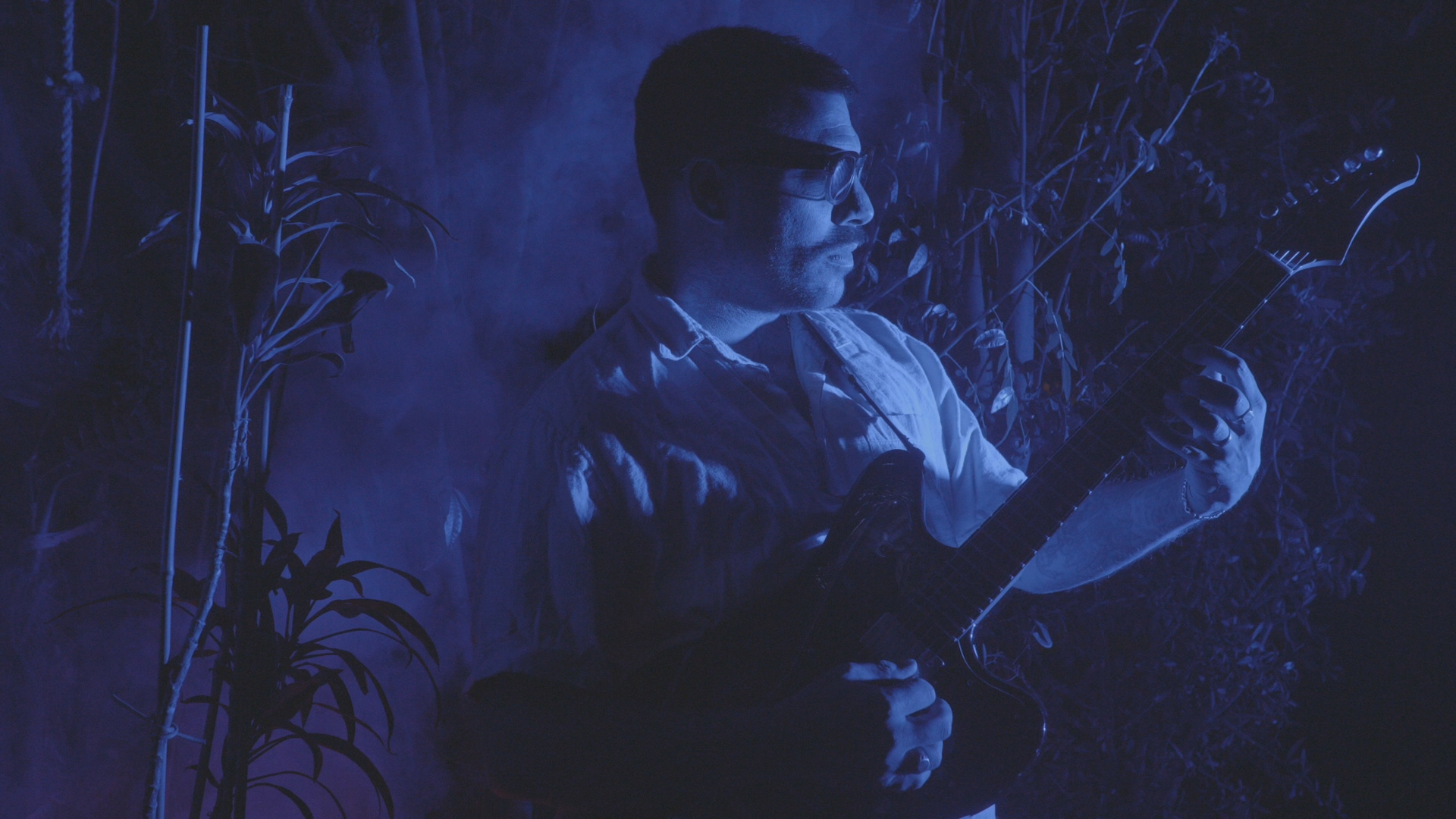
Or Kantor is an Israeli painter and composer whose music tells more than it speaks. His production tends to blur the space between cinematic sound design and emotion composition, and paint landscapes that shift in tension and tenderness. Kantor is a classically trained musician with an experimental ear, creating works that allow the audience to imagine, travel, and feel. He does not follow the trends; he creates worlds: every song is a self-proclaimed escape from intimacy and epic themes. His expanding repertoire indicated a great fascination with sound and narrative, leading him to become one of the silent pioneers of the instrumental electronic world.
The song ‘Escape from Snake Island‘ opens with an urgent beat —a throbbing pulse of the heart that immediately sets the tone. It is not only tense but also welcoming, drawing the listener into a world that is dangerous yet full of opportunities. With the increase of the soundscape, there is more synth, percussion, and atmosphere. The tones are dynamic and smooth, and all of them enhance the soundscape. The melodies have a cinematic feel in terms of the evolution within them, the chaotic nature of the pursuit, the burst of adrenaline and the light reflecting off water in the distance. The tension/release ratio is perfectly managed, providing the viewer with the experience of both physical and emotional journey.
This piece is remarkable because Kantor managed to create the feeling of place using sound. Almost, you can visualise the magnitude of the sea, the shadowy mountains and the desperate flight under an unknown threat. However, under the intensity, there is calmness as well as times of contemplation that show that you can be utterly free when on the verge of fear. His decisions in the production are organic and they are not based on formula; they lead to a grounded and transcendent piece.
Towards the finale, ‘Escape from Snake Island’ comes out as a win not only in terms of rhythm or melody but also in narrative via sound. It takes that uncommon gift to make listeners look without having to look at anything, to experience motion that brings the standstill. Despite the imitation that is rife in the musical scene, the work of Or Kantor is distinguished by its sincerity, richness and creativity. It is not only a song to listen to but a film to be observed, a movie to escape the real world, which stays with you even after the last note is played.
